
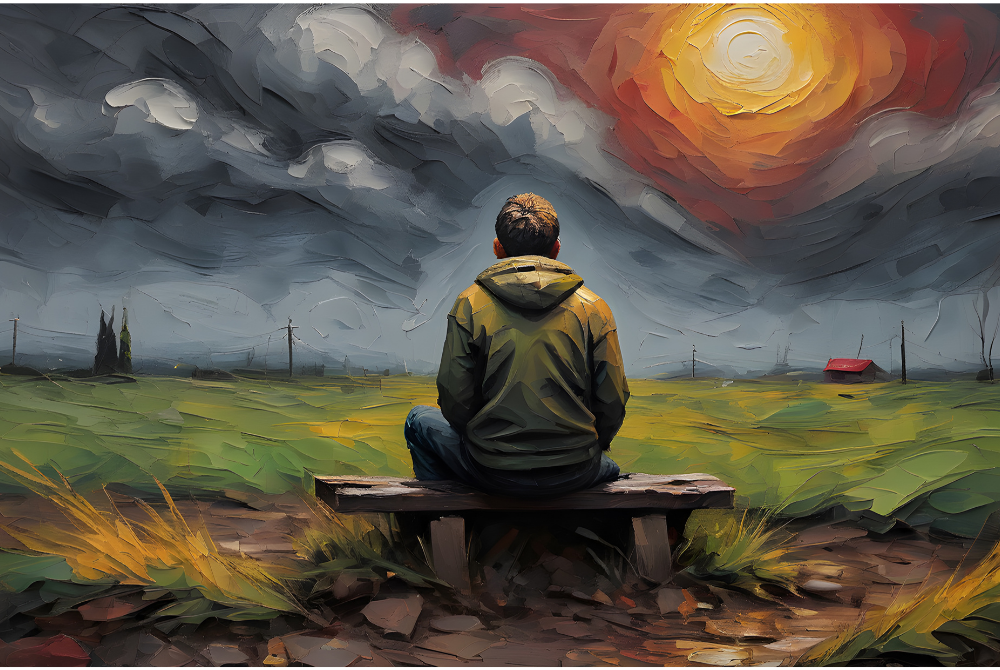
When winter arrives with its short days, long nights, and colder temperatures, many people start to feel their mood dip. This is why talking about the real signs of seasonal affective disorder is crucial, feeling “down” when winter rolls around is significantly different than the depressive symptoms people get year after year.
It’s normal to experience a little sluggishness or sadness during the darker months. But sometimes, these feelings go beyond the typical winter blues. They become heavier, more persistent, and more disruptive.
This is where understanding the signs of seasonal affective disorder becomes essential. While winter sadness is common, seasonal affective disorder (SAD) is a clinical condition that affects mood, energy, sleep, motivation, and overall wellbeing. Learning to tell the difference can help you get the support you need sooner—and begin feeling more like yourself again.
Let’s break down the most common questions people Google about SAD, and how to recognize whether what you’re experiencing is just seasonal sadness or something more.
What are 5 symptoms of seasonal affective disorder?
When people search “What are 5 symptoms of seasonal affective disorder?” they’re often trying to understand whether their winter slump has crossed into clinical territory.
Here are five of the most common signs of seasonal affective disorder:
1. Persistent low mood that lasts for weeks
Winter sadness may come and go, but the signs of seasonal affective disorder often include a heavy emotional fog that lingers for most of the day, nearly every day.
2. Loss of interest in activities you normally enjoy
If hobbies, socializing, or work suddenly feel meaningless or exhausting, this may be one of the early signs of seasonal affective disorder.
3. Low energy and fatigue
Most people feel a little tired in winter, but SAD creates a deeper sense of exhaustion—where getting out of bed feels difficult and everyday tasks feel overwhelming.
4. Changes in sleep patterns
Oversleeping is one of the most recognizable signs of seasonal affective disorder. Your body may crave more sleep because reduced sunlight increases melatonin.
5. Cravings for carbohydrates and weight changes
Increased appetite—especially for carbs, sugar, and comfort foods—is one of the lesser-known but very common signs of seasonal affective disorder.
If these symptoms stack up and stay for weeks, it’s worth paying attention. These early signs of seasonal affective disorder often signal your body and mind need more support than basic winter coping strategies.
What month does SAD start?
People often Google, “What month does SAD start?” to understand seasonal patterns.
For most individuals, the signs of seasonal affective disorder begin in:
Late fall (October or November)
This is when daylight starts decreasing significantly.
And symptoms often peak in December through February
These are the darkest months of the year, when sunlight is most limited.
Improvement usually starts in March or April
As daylight increases, many people notice a lifting of symptoms.
If you start seeing the signs of seasonal affective disorder around the same time each year, pay attention. Predictability is one of the clearest indicators that your winter sadness may actually be SAD.
How do you treat seasonal affective disorder?
When people search “How do you treat seasonal affective disorder?” they’re looking for practical steps. Treatment is most effective when you combine several approaches that target both your body’s biology and your emotional wellbeing.
Here are the most common ways to treat SAD and reduce the signs of seasonal affective disorder:
1. Light therapy
This is one of the first-line treatments. Exposure to bright artificial light helps regulate your internal clock and reduce the signs of seasonal affective disorder by increasing serotonin and balancing melatonin.
2. Therapy
A therapist trained in seasonal depression can help you understand your emotional patterns, challenge negative thoughts, and build coping skills that soften the signs of seasonal affective disorder. Cognitive-behavioral therapy (CBT) is often recommended.
3. Medication
Some people benefit from antidepressants during winter months, especially if the signs of seasonal affective disorder are severe or recurring consistently each year.
4. Physical movement
Exercise boosts serotonin and endorphins. Even gentle movement reduces the signs of seasonal affective disorder by increasing energy and improving mood.
5. Daily routine adjustments
Consistent sleep, nourishing food, morning light exposure, and grounding routines help regulate your body during darker months.
6. Social support
Staying connected has a powerful impact on mood. Isolation often worsens the signs of seasonal affective disorder, so regular connection can reduce symptoms.
A therapist can help you decide which combination of treatments works best for your symptoms and your lifestyle.
What are the six symptoms of SAD?
When people Google “What are the six symptoms of SAD?” they’re trying to understand if their experience fits the pattern.
Here are six of the most defining signs of seasonal affective disorder:
1. Depressed mood
A persistent sadness or heaviness that doesn’t seem to lift.
2. Loss of pleasure
Things that normally bring you joy no longer feel meaningful.
3. Fatigue or low energy
Feeling tired, drained, or unable to carry out daily tasks.
4. Changes in sleep
Oversleeping or disrupted sleep cycles.
5. Changes in appetite
Often cravings for carbs, or increased desire for comfort foods.
6. Difficulty concentrating
Brain fog, slower thinking, and trouble staying focused.
These six symptoms are some of the clearest signs of seasonal affective disorder, especially when they appear annually in winter.
Seasonal sadness vs. seasonal affective disorder: How do you tell the difference?
Here’s a simple way to understand the difference:
Regular winter sadness:
- Comes and goes
- Improves with basic self-care
- Is mild and manageable
- Doesn’t last for weeks
- Doesn’t significantly disrupt your daily functioning
Seasonal affective disorder:
- Appears annually
- Lasts at least two weeks or more
- Feels heavy, persistent, and intrusive
- Affects sleep, mood, and appetite
- Impacts work, relationships, and daily tasks
- Includes multiple signs of seasonal affective disorder at once
If winter consistently shifts your mood in a way that feels hard to shake, those patterns are worth paying attention to. The earlier you notice the signs of seasonal affective disorder, the earlier you can get support.
Final thoughts: You deserve support during the darker months
Seasonal affective disorder is real, and it can deeply impact your emotional and physical wellbeing. Recognizing the signs of seasonal affective disorder early helps you get the support you need before the winter months feel overwhelming.
At Annapolis Counseling Center, we help individuals understand their seasonal cycles, strengthen their coping tools, and find relief through evidence-based treatment. Whether you experience winter sadness or the more intense signs of seasonal affective disorder, you don’t have to navigate it alone.
Light returns—and with the right support, your wellbeing can return too.